Funny Looking Car With Sliding Doors
Contrary to popular belief, unconventional car doors are not the exclusive domain of exotic sports cars and expensive supercars. Unique and unusual doors can be found in almost every class of automobiles, and some of the most fascinating provide driver and passenger access on super economy cars and vehicles few people would recognize.
Non-standard doors usually fall into one of the following categories: Butterfly doors move on an axis aligned at an angle to the ground or the vehicle, via hinges along the A-pillar. Canopy doors are one unit consisting of the roof, windshield, and sides that moves forward, upward, or sideways to provide access. Gullwing doors open upward on a horizontal axis and are hinged to the roof at the top horizontal edge.
Scissor doors rotate on a horizontal axis, perpendicular to the vehicle's length and vertically at a fixed hinge at the front of the door. Sliding doors are suspended from or mounted to a track, the door opens by sliding horizontally alongside or into the vehicle sidewall. Rear-hinged doors have hinges located on the rear end of the doorframe, allowing for horizontal opening towards the rear. Swan doors are like a conventional door and open outward, but on an axis at a slight angle from vertical to move upward with better ground clearance. Dihedrals are a scissor door mechanism that also moves outward while rotating.
Here are 25 cars from different classes with non-standard, unusual doors that fall into one of these categories or even a unique category of their own.
25 1956 Bond Minicar with No Doors
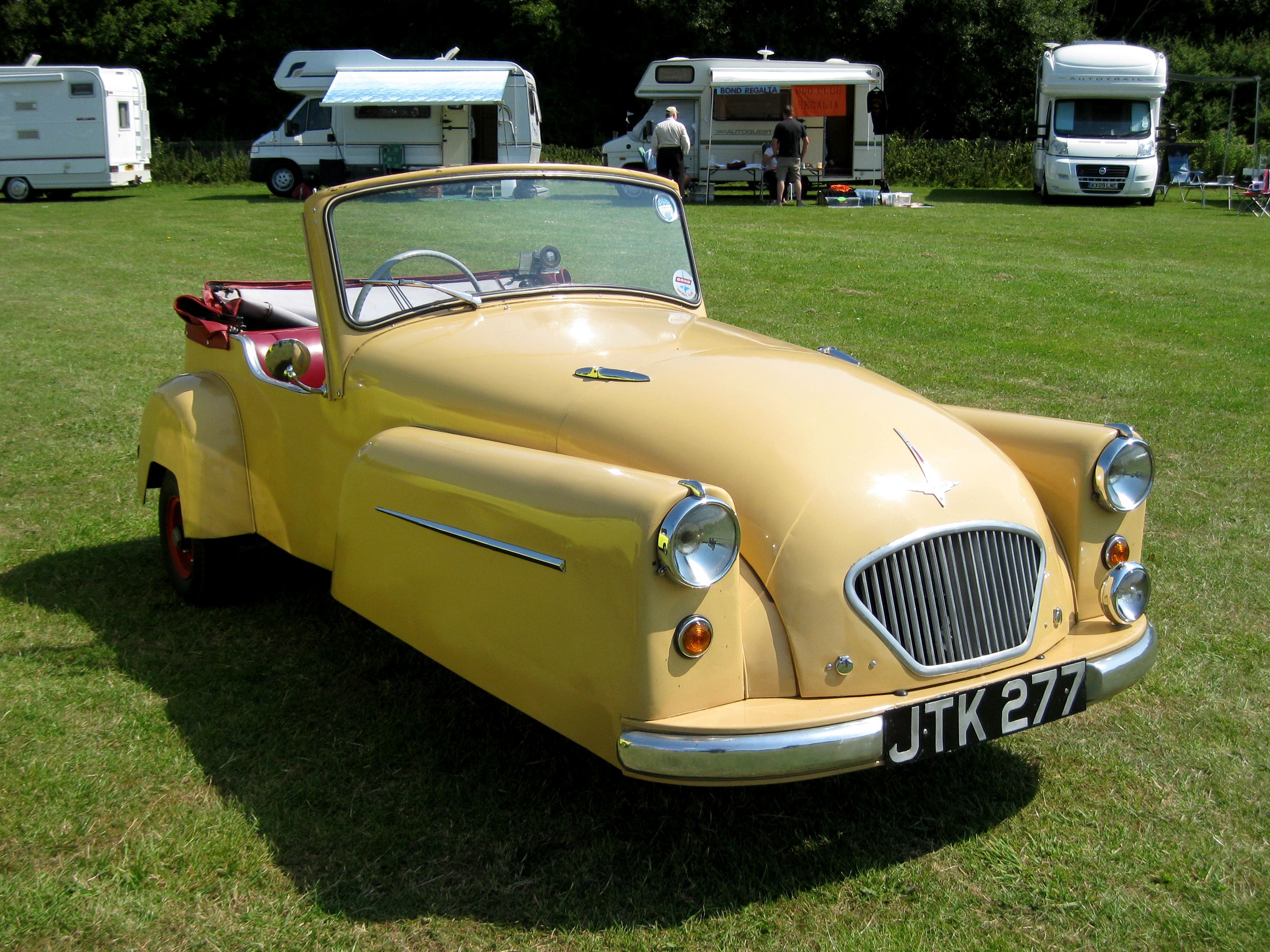
Advertised by the manufacturer as "the world's most economical car," the Bond Minicar was austere and simple in design, without luxuries—and it had no doors! The body sides were considered low enough to be stepped over without a significant inconvenience. The main body was made from a very simple aluminum alloy and the absence of doors enhanced the integrity of the main stressed skin structure, resulting in a super lightweight vehicle. The manufacturer claimed the car weighed only 308 pounds. Its light weight was regularly confirmed with demonstrations of one person lifting the entire rear end of the car off the ground unaided. During a test run at an average speed of 22.8 mph, the Bond Minicar achieved an average fuel consumption of 81 mpg.
24 Koenigsegg Regera Robotized Auto
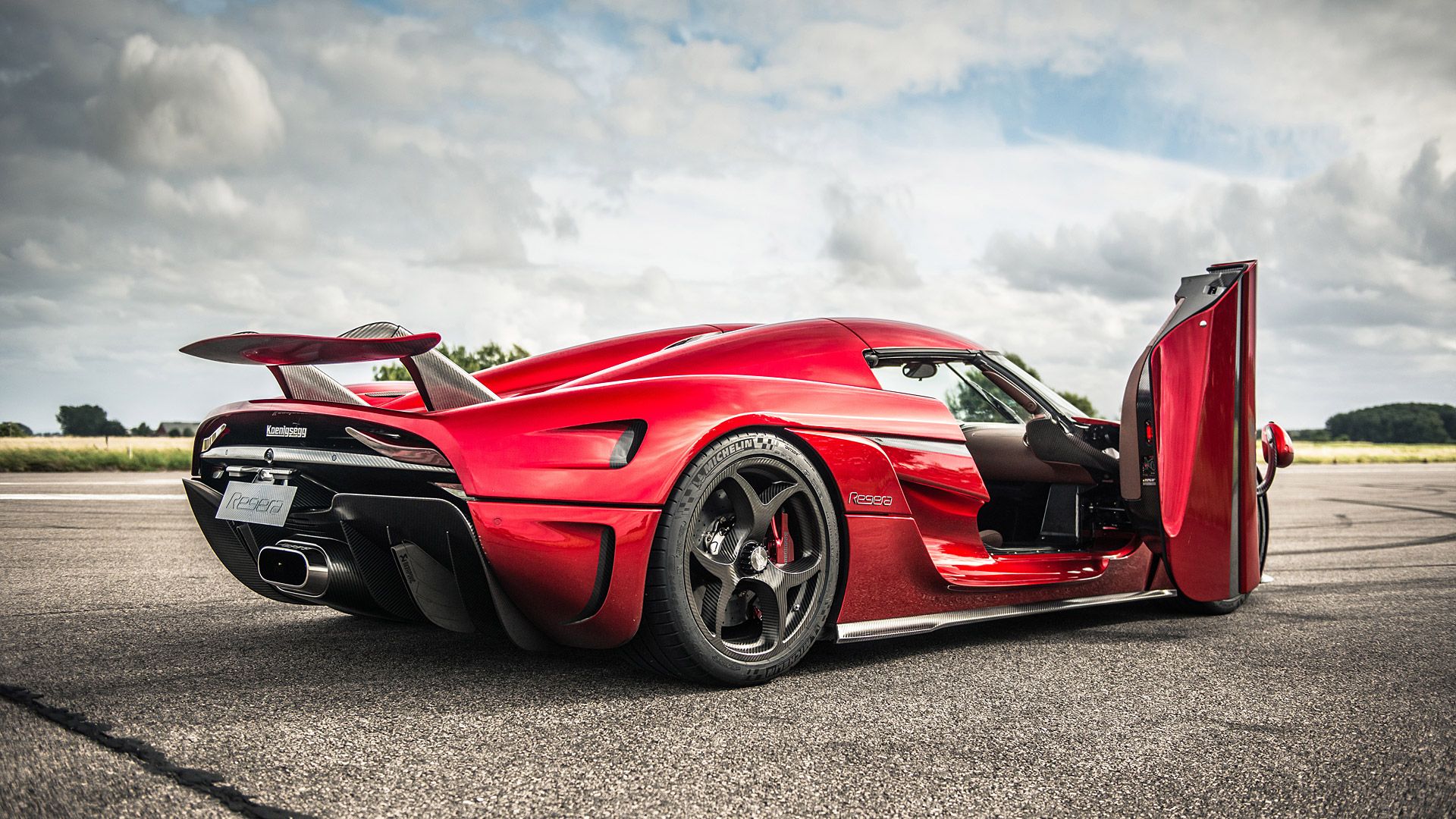
Koenigsegg created the Regera with a different design objective than their other supercars. It focuses less on track performance with spartan weight reduction and more on luxury and a smooth delivery of power. Koenigsegg claims the Regera is the first fully robotized car in the world. Its "Autoskin" system operates all body access points completely automatically, by touching a button. The driver can open and close both driver and passenger doors, the front luggage door, and the rear engine cover door by remote control. Autoskin also uses soft-closing mechanisms, giving the Regera a classy feel. The fully robotized body system adds a mere 5 kg to the total weight of the car and therefore has almost no impact on performance.
23 BMW Isetta Front Entrance and Exit
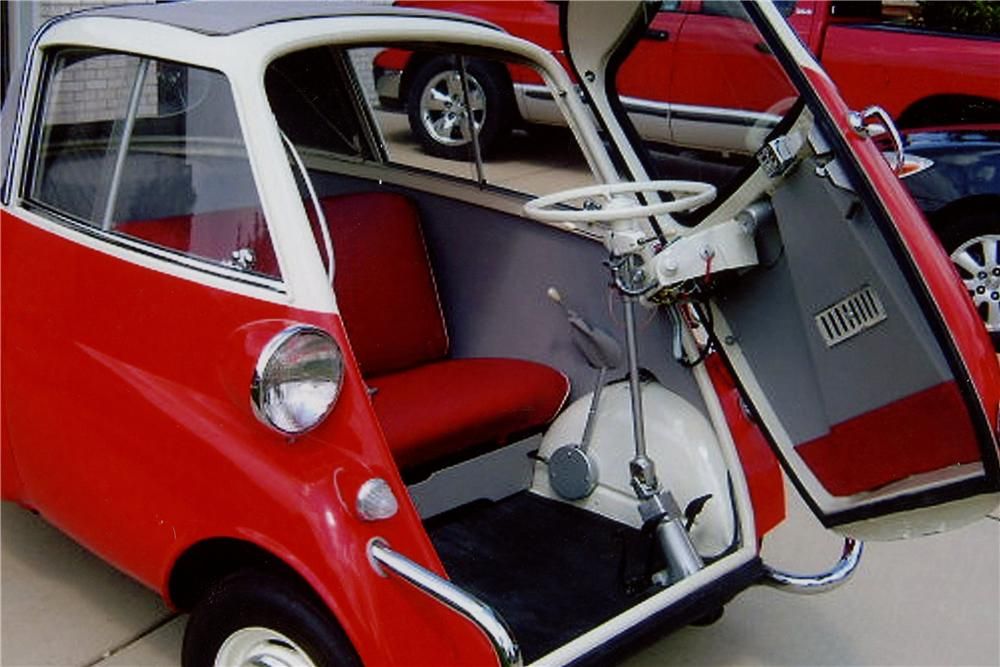
The Smart car has nothing on the Isetta for ease of parking. While both vehicles are small enough to fit into the tightest parking spaces, the BMW can squeeze in between two cars leaving only a paper-thin gap on each side. The "Bubble" car has no side doors. Driver and one passenger (preferably a small child) exit through the single front-mounted door that keeps the steering wheel and pedals in place. The original 1950s Isettas, created in Italy by Iso, had a single-cylinder motorcycle engine, three wheels, and only required a motorcycle license to drive. The inexpensive BMW version, produced from 1955 to 1962, used their own motorcycle engine and became a resounding success. The Bavarian carmaker sold over 150,000 cars during the Isetta's production years.
22 Toyota Sera Butterfly Doors
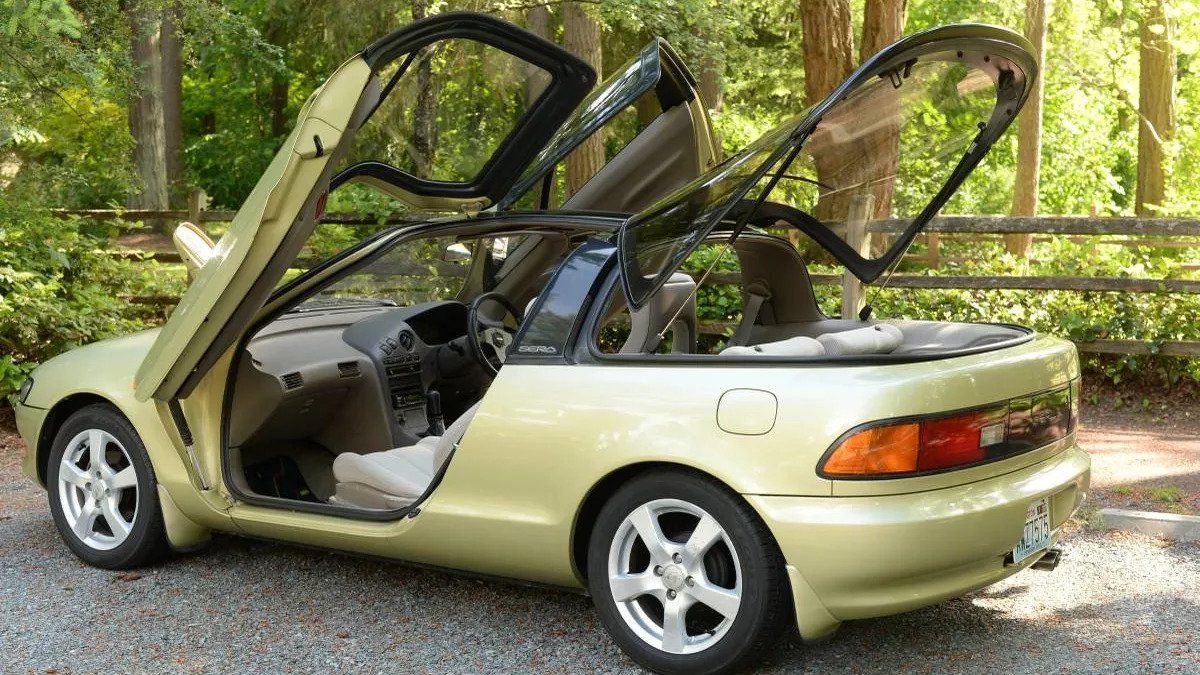
Although the McLaren F1 that made its debut in 1992 often receives credit as the first car to employ butterfly doors, the Toyota Sera had them two years earlier, in 1990. The unique butterfly doors were hinged around the A-pillar instead of on the roof like a gull wing door or behind the wheel like a scissor door. The 2+2 hatchback Sera coupe was sold from 1990 to 1996 only in the Japanese market. A 1.5-liter four-cylinder coupled to a four-speed automatic or a five-speed manual sent slightly more than 90 horsepower to the front wheels. Although the Sera's performance characteristics were nothing special, those doors were magnificent.
21 DeLorean DMC-12 Futuristic Gullwing Doors
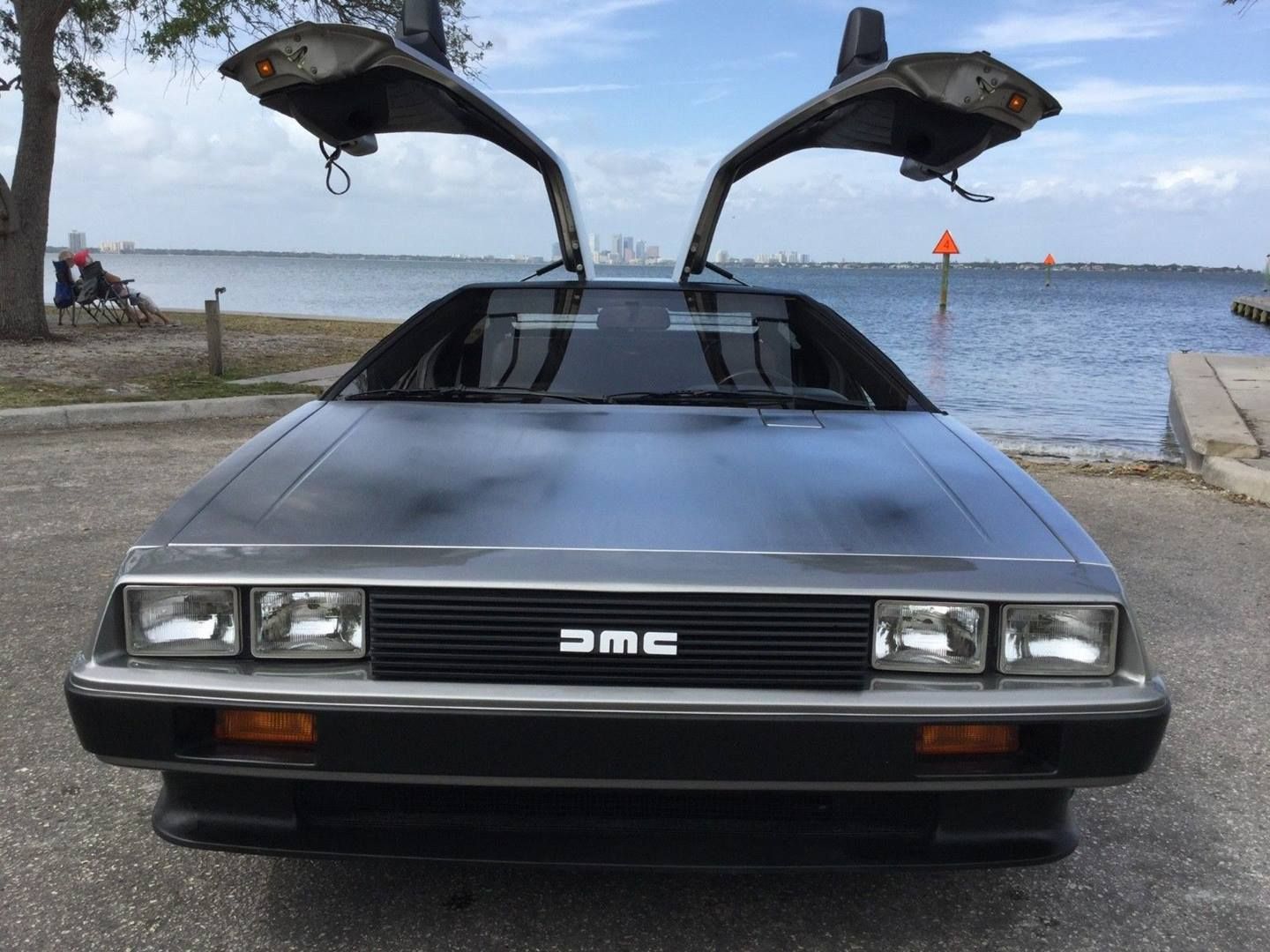
Although gullwing doors originated with the Mercedes 300SL, it was the appearance of the DeLorean DMC-12 in the film series Back to the Future that helped make them famous. During development of the script for the film, the DeLorean DMC-12 was gaining worldwide attention among automobile journalists and had become one of the most anticipated new vehicles of the decade. Writers Robert Zemeckis and Bob Gale selected the DeLorean over the Mustang and others for its futuristic look. The gullwing doors made the car look like a UFO, most notably in the scene where Marty McFly exits the DeLorean after crashing into the Peabody barn in 1955.
20 Mazda RX8 Rear-Hinged Doors
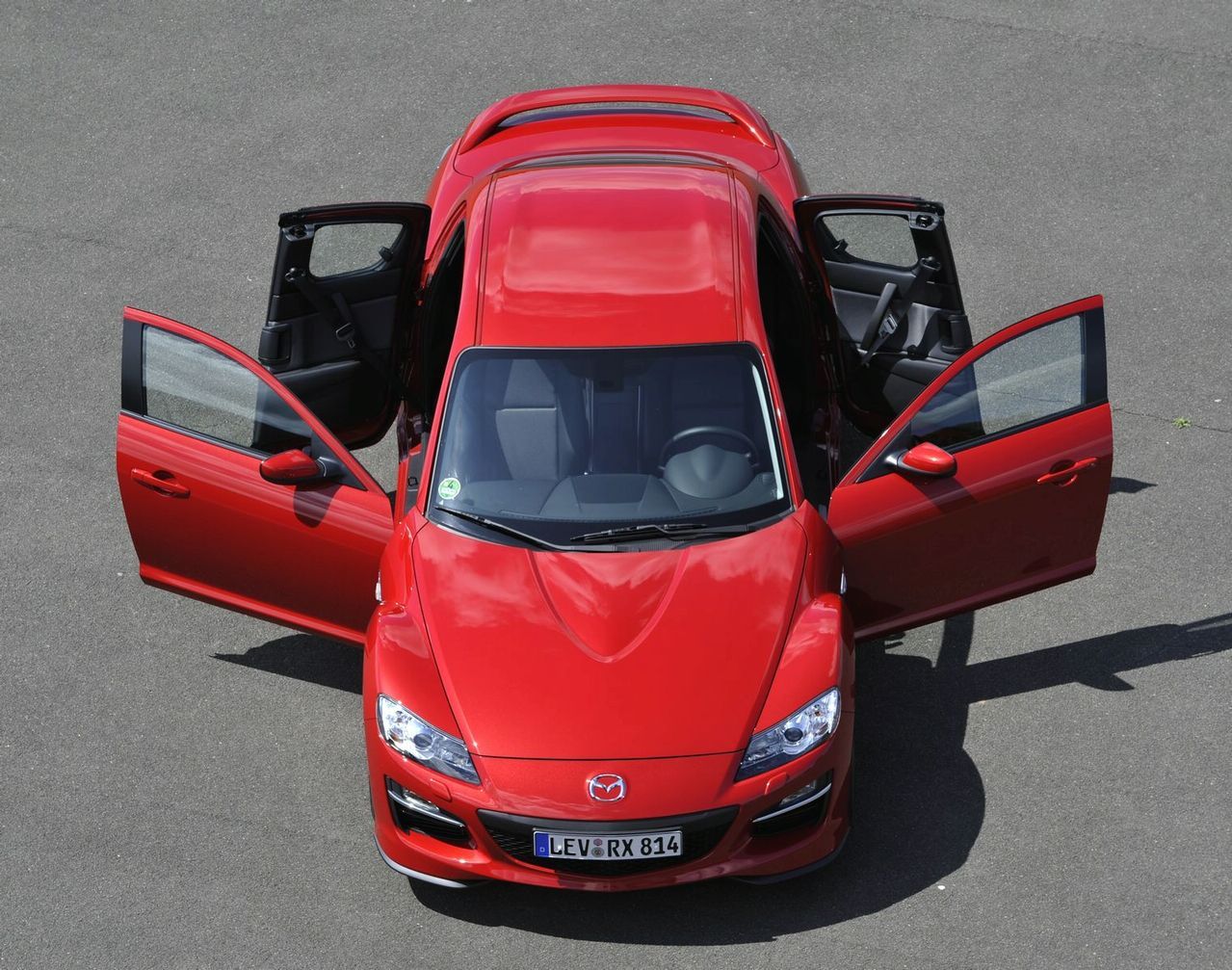
A suicide door is hinged at its rear rather than the front. The design gets its name from the perception that if opened while the car is moving, road wind pushes the door open quickly and could drag the adjacent passenger out of the car (prior to seatbelts). The doors were also susceptible to popping open in head-on crashes. Originally used on horse-drawn carriages, and popular on vintage cars, they are rarely found on modern vehicles, mainly due to the safety risk perception. However, Mazda did use them on the RX-8. The rear-hinged doors made it easier to get into the squashed rear seats.
19 1975 Nova Sterling Kit with Power Canopy

The UK-based company Automotive Design and Development Ltd (ADD) was responsible for creating the futuristic-looking Nova kit car. Sterling Sports Cars now manufactures the parts that are sold as components intended to be assembled by the purchaser or by a third party. The windscreen, with its small A-pillars, gives the Nova a conventional car look when the canopy is closed. Hemmings recently listed a Sterling for sale built on a VW chassis using an 1835 dual port VW engine and canopy description: "The Powered Canopy Top is electric with a remote and key'd back-up." Purvis Eureka (a licensed copy of the Nova), the Bond Bug, and the Nova are the only production cars to date to use a front-hinged canopy door.
18 Renault Twizy
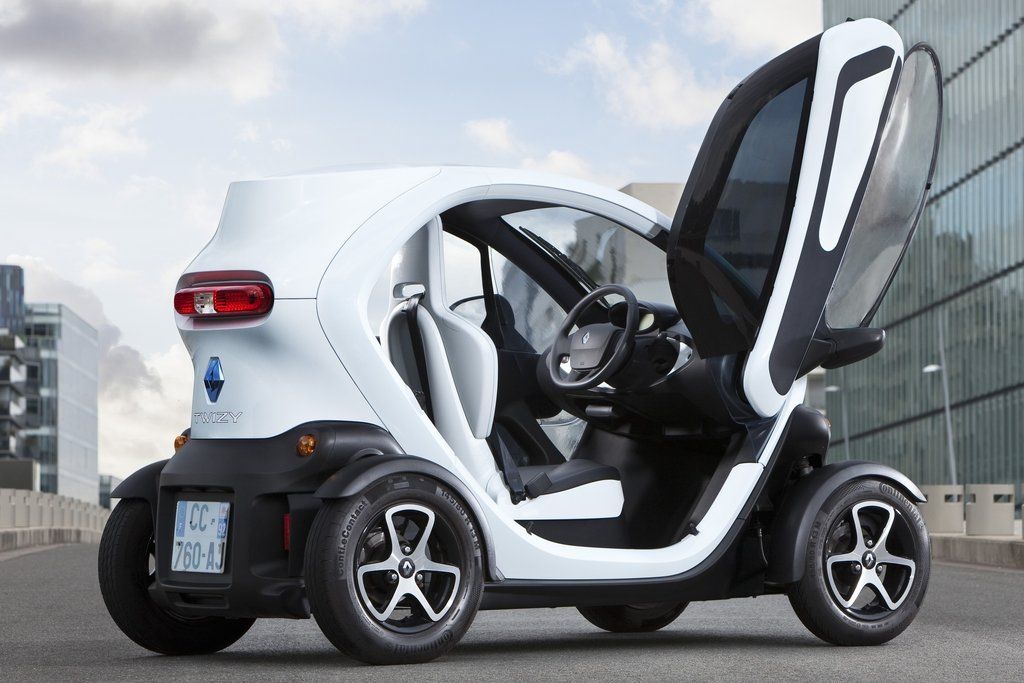
The base model of the Renault Twizy comes without any doors, but they can be ordered as an option. Driver and one passenger sit in tandem in the small electric car while the vertical scissor doors (like a Lamborghini's) that allow passengers to get in from either side of the car offer protection from wind and rain that a motorcycle simply can't. The Twizy can be custom ordered starting at under 7,000 pounds sterling in the UK ($9,000). The doors can be added for a mere $800. Although the Twizy car may look a bit silly, its name seems appropriate and it does have some unique doors.
17 Koenigsegg CCX Dihedral Door
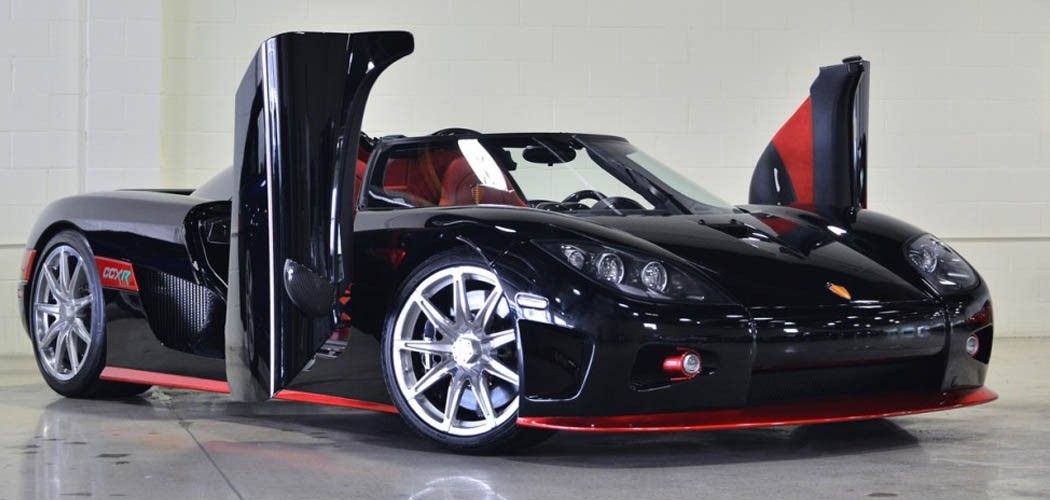
The Koenigsegg CCX boasts a twin-supercharged, 4.7-liter V8 producing 806 horsepower, accelerates from 0 to 60 in 3.2 seconds, and can reach a speed of 245 mph. When released in 2006, it was the second fastest production car in the world; only the Bugatti Veyron was faster. The car with all that power and exceptional style was available for a mere $695,000 in 2006.
Although the CCX's performance is extraordinary, perhaps the dihedral doors are the most alluring feature of the supercar.
Koenigsegg's calls their door hinge the dihedral synchro-helix actuation system. It is a complex mechanism that uses a geared rotational pivot operating simultaneously with a parallel arm in an outward arc. Gas struts balance the doors as they come out parallel, swing up, and rotate down to allow entry. Only a mechanical engineer can understand how they work.
16 1960s Lincoln Continental Convertible Rear-Hinged Doors
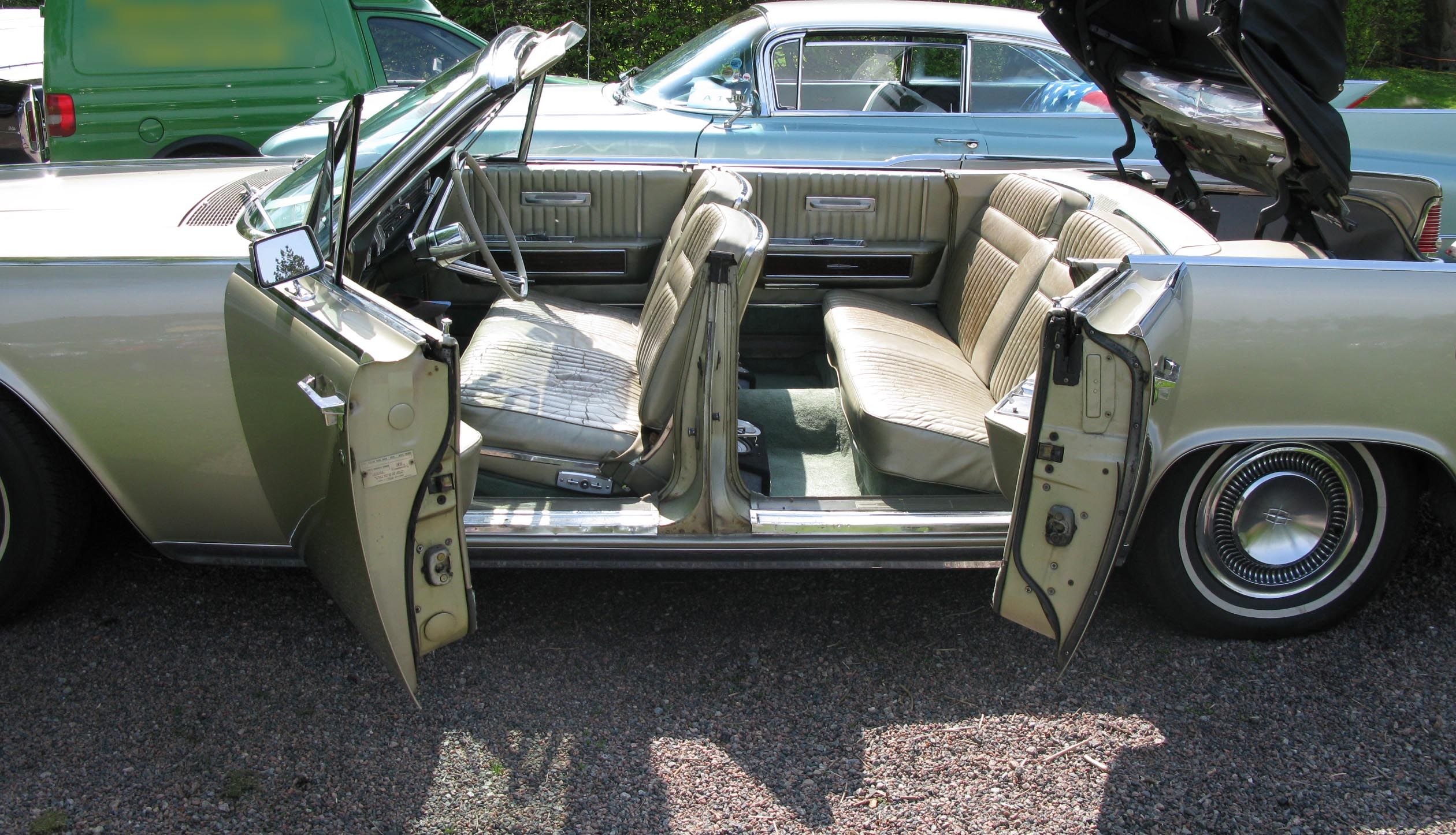
In the 1960s, the best-known cars using these doors were the 1967-1971 Ford Thunderbird, the British Rover P4 (until they were discontinued in 1964), and the 1961-1965 Lincoln Continental. Perhaps most famous as the official vehicle of the President of the United States, the Lincoln Continental convertible was produced through 1967. It was the only factory-built, four-door convertible in the U.S. available after WWII, which made it ideal for Presidential parade duty. Three Presidents in the 1960s chose Continentals as their official vehicles.
15 Kaiser Darrin Sliding Doors
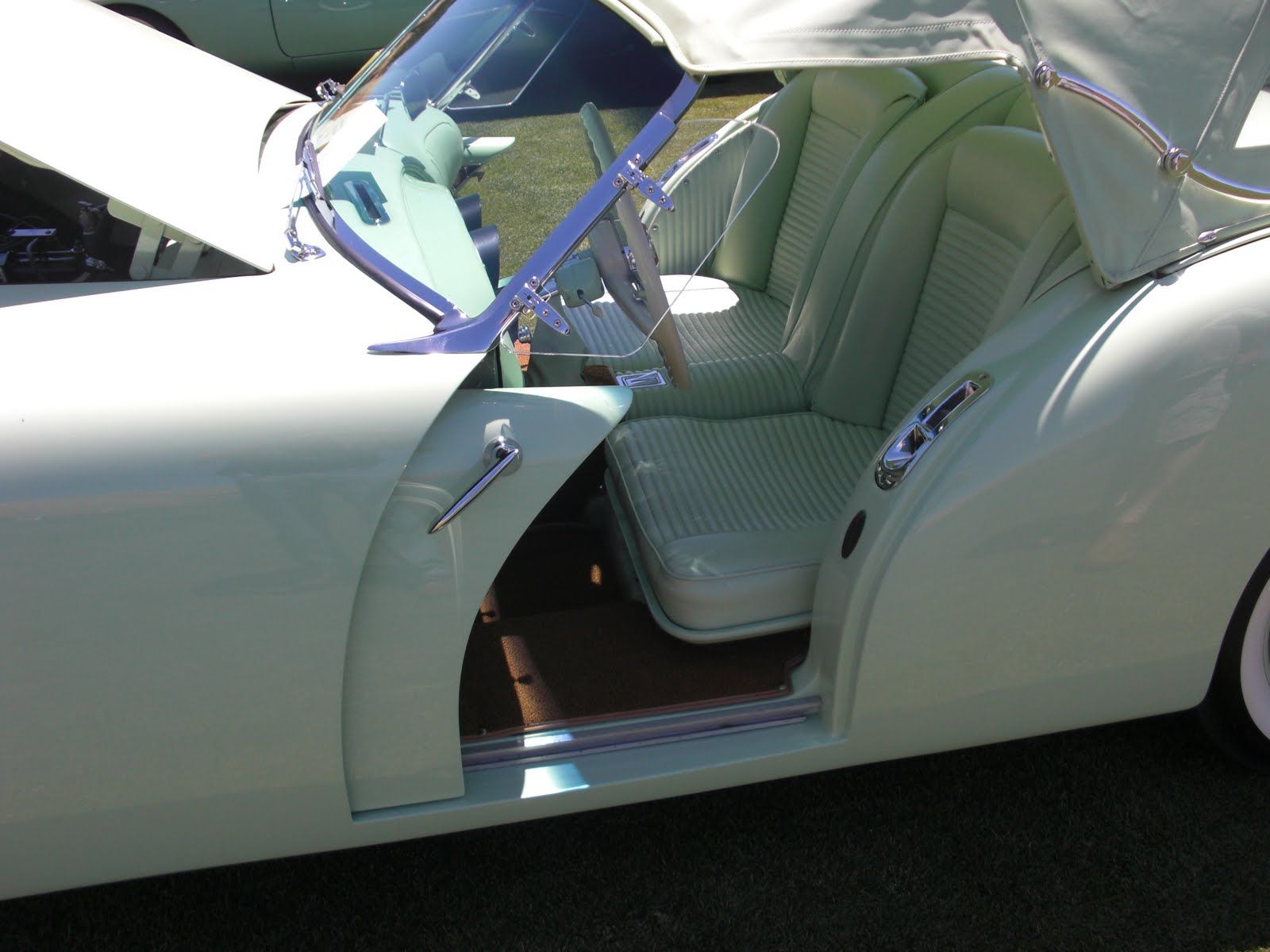
The Darrin was a sports car designed by Howard "Dutch" Darrin and built in the U.S. by Kaiser Motors for the 1954 model year. The roadster was targeted at a younger car buyer than the typical owner of the other Kaiser models. A stylish two-seat convertible, it featured unique doors that glided forward electrically into its long front fenders along aluminum rails. It was the first fiberglass-bodied sports car made in the U.S., edging out the Chevrolet Corvette to market by just a few weeks. Dutch Darrin designed the sliding doors to solve the problem with standard doors that hit the curb or other cars when opened. The "disappearing" door also made it easier to get in and out of the car in a tight spot.
14 1956 Messerschmitt KR200 Canopy
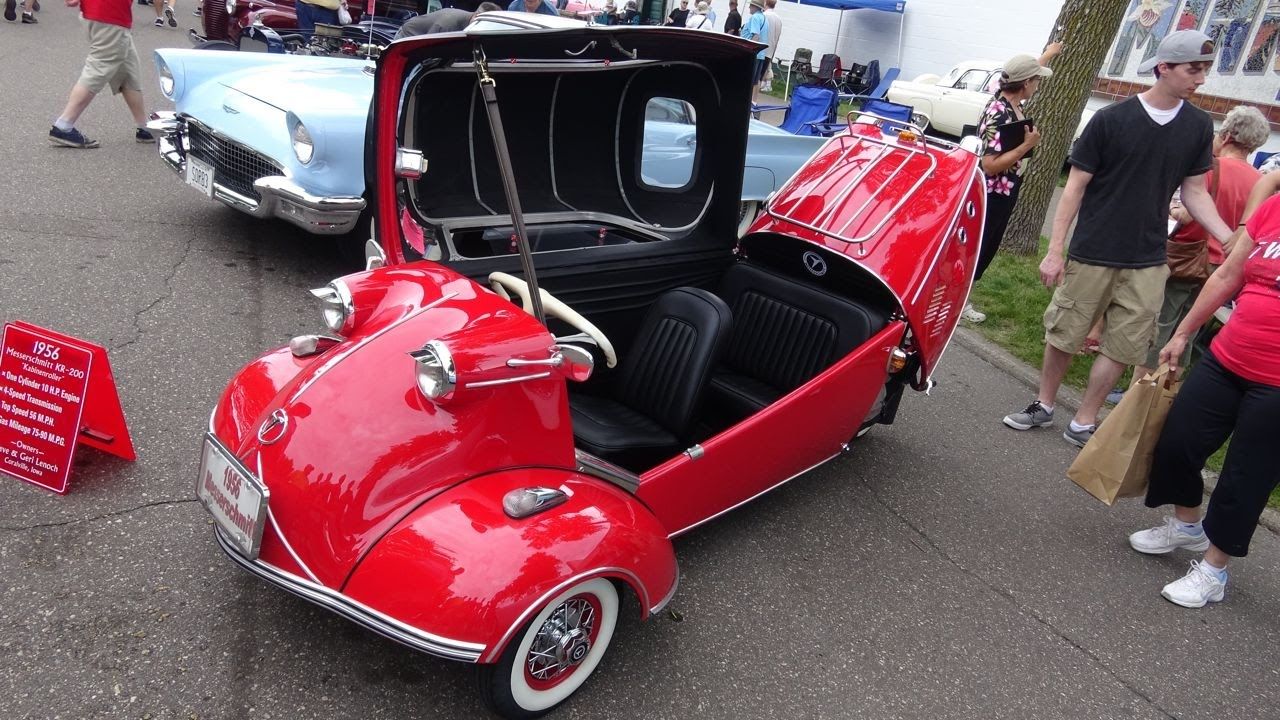
The KR200 was a production vehicle made after WWII by Messerschmitt, the famous German airplane manufacturer credited with the canopy invention for cars. Derived from their aircraft design, the KR200 used a bubble canopy that was uniquely hinged on the side. While the canopy allows easy entrance and exit on one side of the car, passengers sitting closest to the hinge are required to climb across the outer seat to exit the vehicle. For this reason, the side-hinging canopy design is appropriate for single-occupant or tandem-seat cars. Most vehicle canopy designs in the following years were hinged in the front or the back to allow access on both sides of the car.
13 Tesla Model X Falcon Wing Doors
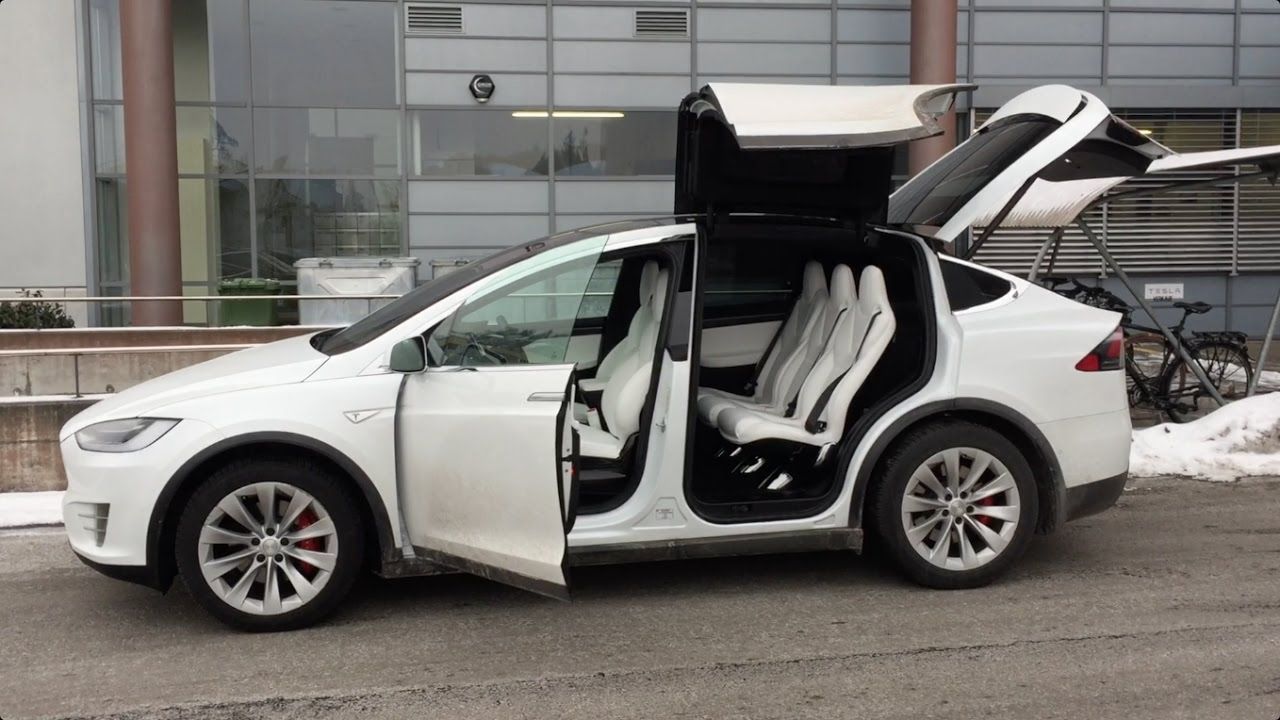
The Tesla Model X electric vehicle is a rather ordinary-looking family sedan, until the rear Falcon Wing doors are activated, that is. These motorized, sensor-operated access portals, though complicated and trouble-prone, attract attention to the car wherever it goes. In doing so, they not only help promote Elon Musk's stated goal of moving the world towards EV, but they are also crucial to the future of the automobile.
Road and Track wrote: "Tesla's future looks uncertain today. It might have flashy new products in the pipeline - the Semi, the Model Y crossover, and the new Roadster…but whether or not Tesla itself weathers this storm, its impact will be felt for a long time. You can thank the doors for that."
12 Aston Martin Rapide Swan Doors
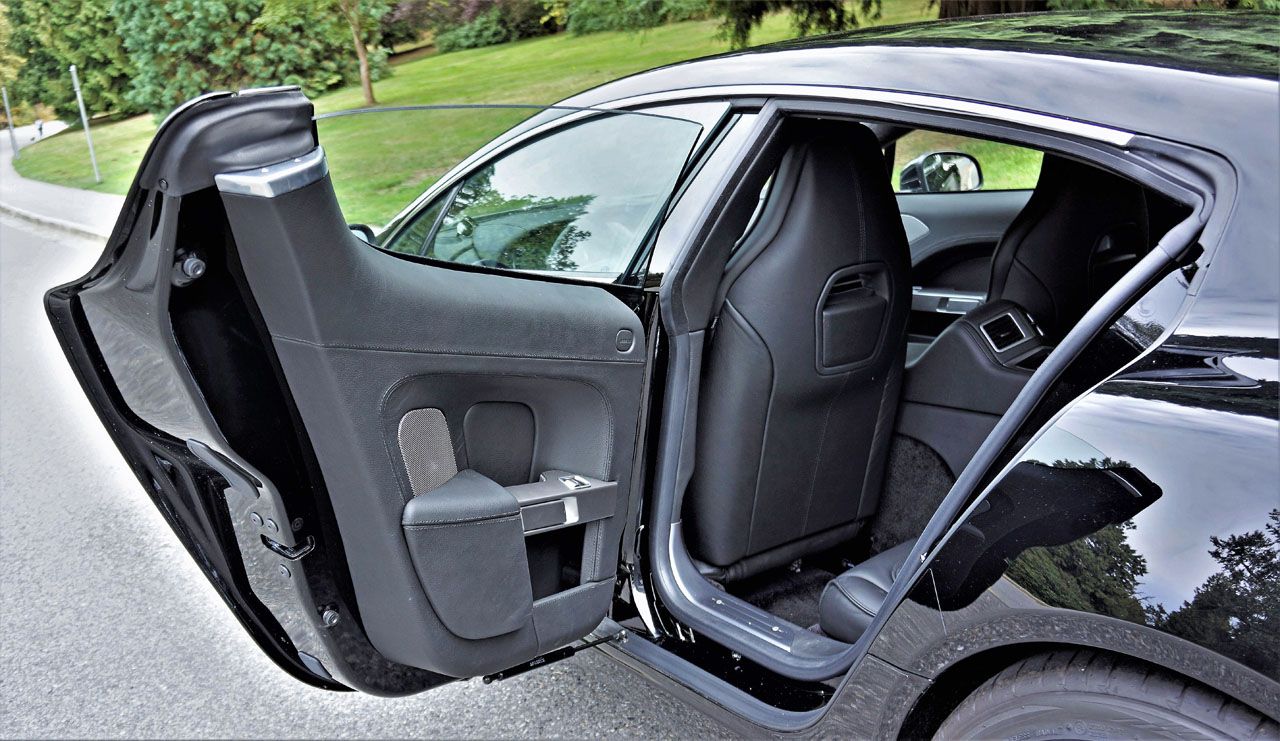
Most buyers of expensive automobiles expect high performance, luxury embellishments, and unique state-of-the-art features. The Aston Martin Rapide, with 565 horsepower and the ability to accelerate from 0 to 60 mph in 4.7 seconds, sells for nearly $250,000 but lacks exotic Butterfly or Scissor doors found on other supercars. The simple "Swan Doors" installed on the Rapide are standard doors that hinge upward as they open, improving ground clearance. The practical design eliminates the frightening sound (and the damage) that the bottom of a standard door makes when it scrapes a curb. The mechanism also has a steadying component which assures the door remains where it is left and prevents it from slamming shut unexpectedly.
11 Ford GT Guillotine Door
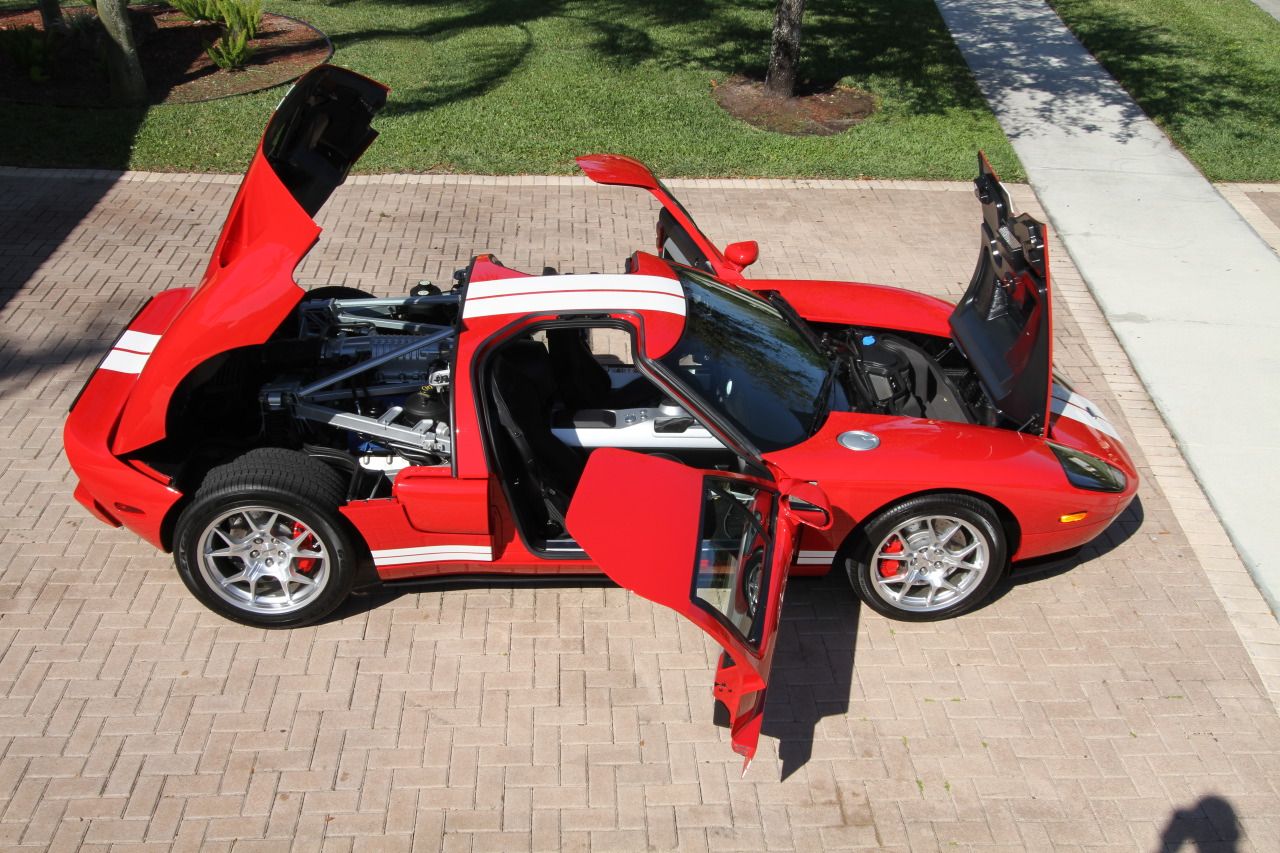
The horizontal-guillotine door design of the Ford GT comes from the GT40s that raced in the 1960s. The roof is incorporated into the top of the door, giving it the appearance of a guillotine mounted horizontally instead of vertically (as is the capital punishment version). The original guillotine design for race cars allowed easy access while switching drivers at Le Mans. Two racers could change positions in half the time, and the mechanics could lean over and belt them in unobstructed. On the GT road car, the guillotine doors have some drawbacks. For tall drivers, closing the door risks scalping the head. The sheer size of the one-piece door also makes it difficult to enter and exit when parked close to another car.
10 BMW Z1 Sliding Doors
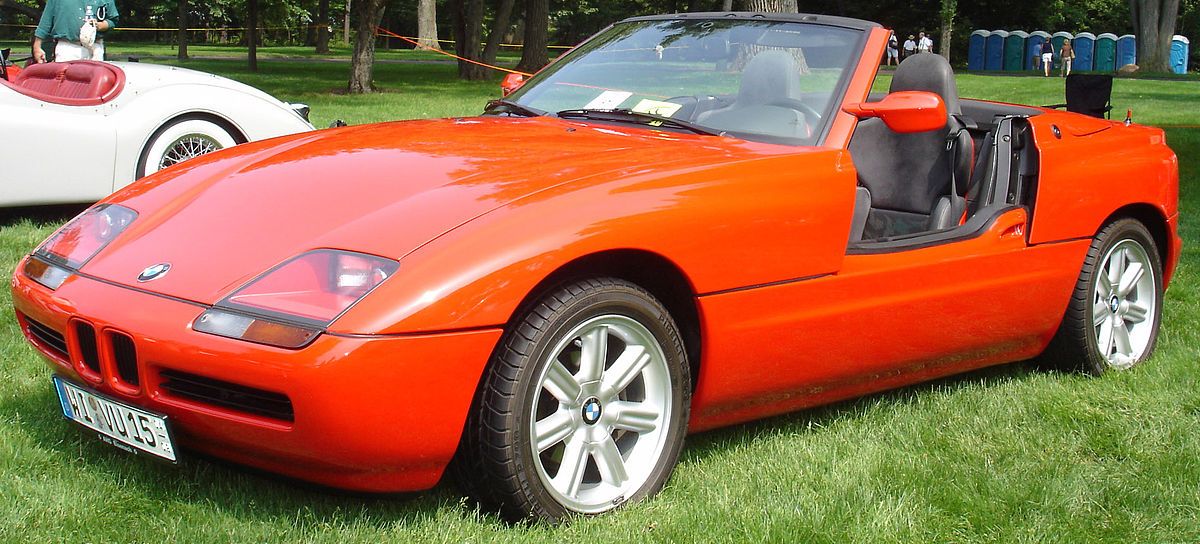
When it was released in 1989, the Z1 was BMW's first two-seat roadster since the stunning 507, last produced in 1959. It was equipped with several innovations, including an all-plastic body designed to reduce weight and minimize repair costs, a flat undertray, and an exhaust muffler that aerodynamically shaped to cut drag. However, the most innovative feature was the fabulous disappearing door, designed to distinguish the BMW from any other roadster. A mechanical system composed of motors and microswitches electronically controlled the doors, which dropped down into the car's body (and returned it up to a closed position). The system not only operated when the vehicle was parked, but it worked when driving, as well.
9 McLaren P1 Butterfly Doors

When the McLaren P1 doors are aloft and the monstrous hydraulic rear wing is visible, the vehicle ceases looking like a car and appears to take the form of a transforming robot preparing to take on Optimus Prime. Despite its threatening posture, the butterfly system used on the P1 is an improvement over the scissor solution, opening upwards and towards the windshield to allow easier access inside. However, on some models, the butterfly solution has limitations over scissor doors, especially for access in cramped garages or spaces with low ceilings. Butterfly doors need more lateral room (on the sides of the vehicle) than scissor doors. The most famous cars with this system are the Ferrari LaFerrari, McLaren F1, McLaren P1, BMW i8, Ferrari Enzo, and Mercedes-Benz SLR McLaren.
8 Lamborghini Aventador Scissor Door System
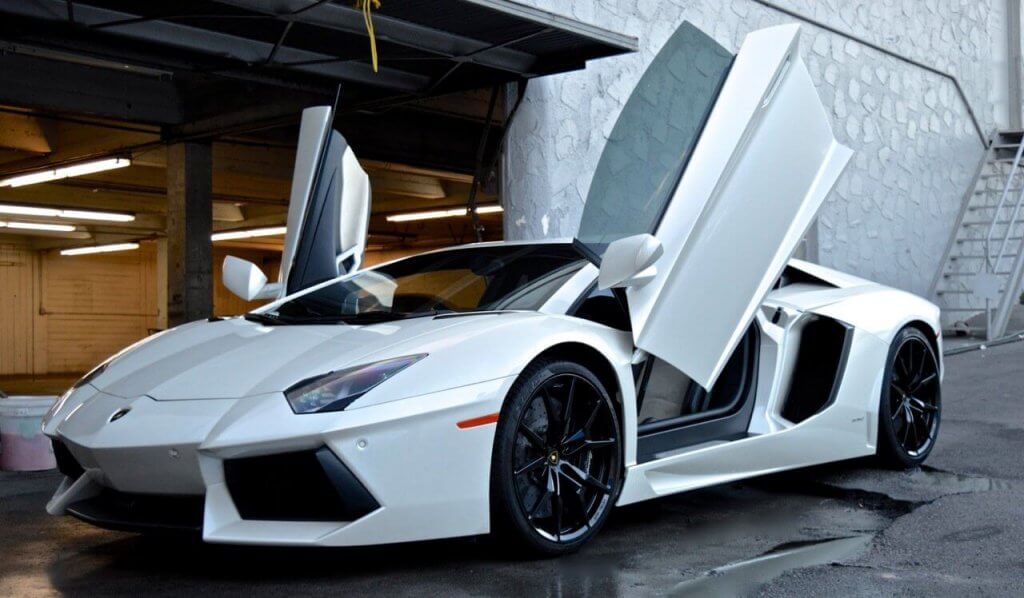
Scissor Doors, also known as Lamborghini doors, Lambo doors, wing doors, turtle doors, switchblade doors, beetle-wing doors, and swing-up doors, are common to the Lamborghini brand. The doors, which open upward and pivot at the front of the door, behind the fender, add an exotic, distinct, and unmistakably powerful style to any car, but for Lamborghini, they serve another purpose: rear visibility.
The scissor door system was first implemented on the Countach to enhance safety when driving in reverse. To see properly, drivers had to lean out the door and look behind them. The scissor door system permitted drivers to open the doors upward and look behind the car without fear of hitting anything while backing up.
7 Peugeot EX1 Concept
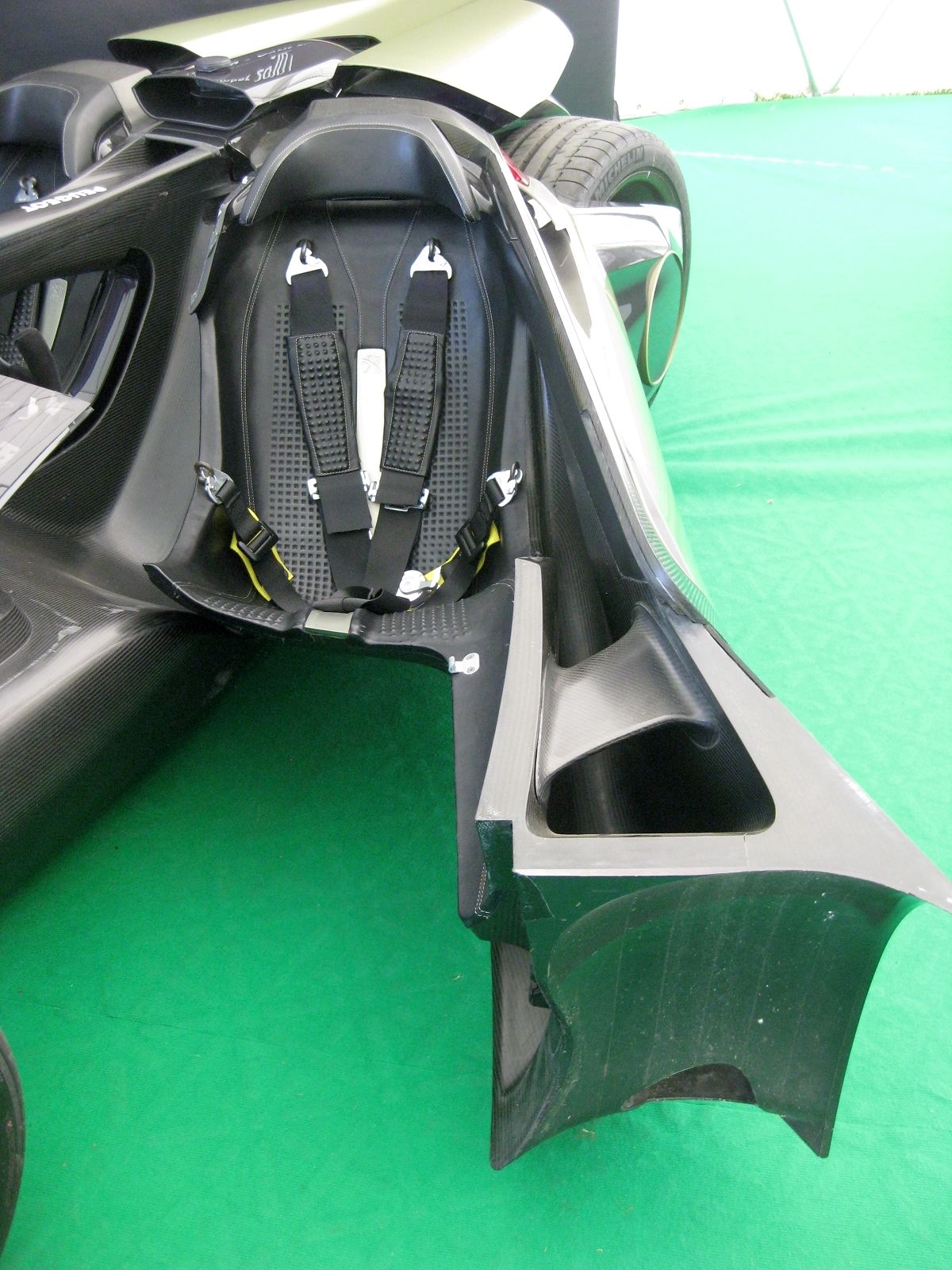
Although the Peugeot EX1 never went into production, the doors on the concept car are so exclusive that they merit mentioning. Entering and exiting many cars is often a challenge, more difficult for some than others. Getting into a low-riding sports car is like stepping into a hole and getting out may require turning to face the rear of the vehicle. Meanwhile, driving a minivan sometimes necessitates the use of both arms and legs to get seated, and entering a lifted pickup truck is like climbing a ladder. Peugeot attempted to make the whole process less painful with the three-wheeled EX1 concept. The bucket seats are attached to and move with the doors themselves. The driver (or passenger) simply opens the door and sits in the seat as it glides out of the car.
6 Mercedes-Benz 300SL Gullwing Doors
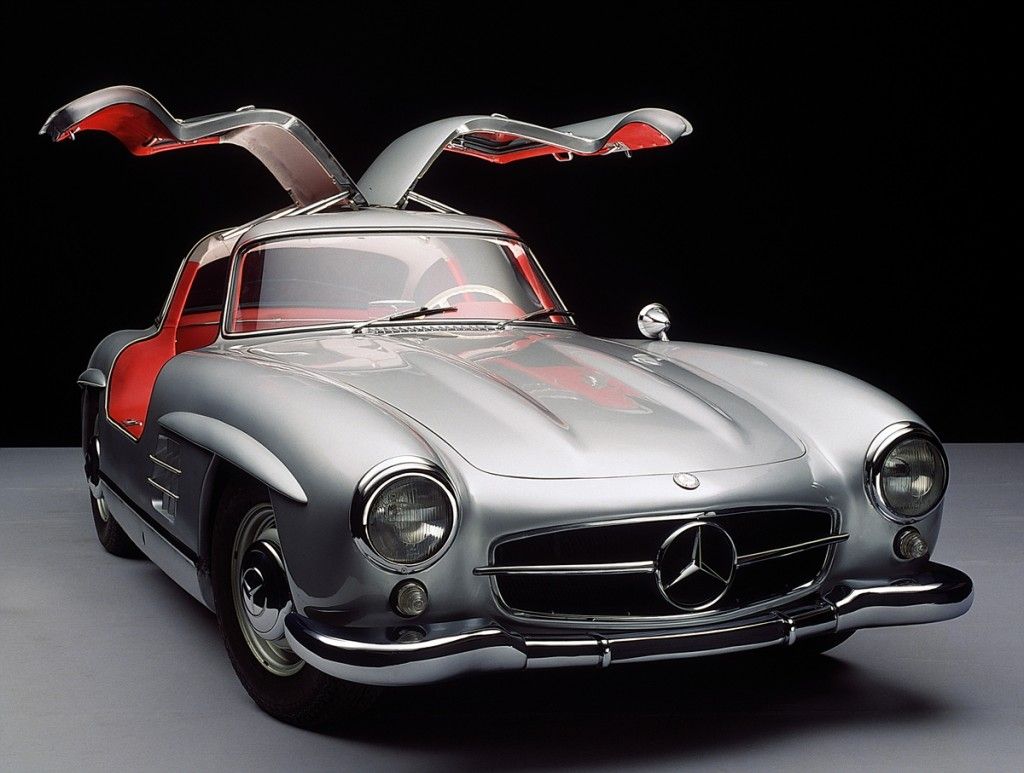
When the 300SL made its debut at the International Motor Sports Show in New York in 1954, the coupé turned the heads of sports car enthusiasts with its extraordinary power and unique design. The new sports car exuded elegance and displayed state-of-the-art innovation. It was the first production passenger car in the world to use a four-stroke engine with output- and efficiency-enhancing direct fuel injection. However, it was the swing-up, top-hinged doors that became the 300 SL's most distinctive and recognizable feature, earning it the popular name "Gullwing." Without realizing the significance at the time, Mercedes engineers had created one of the car world's most iconic and exotic styling signatures.
Source: https://www.hotcars.com/cars-with-the-weirdest-doors/
0 Response to "Funny Looking Car With Sliding Doors"
ارسال یک نظر